logo

About Bryan Angstman

A Life Built on Curiosity, Experience, and Helping Others Find Relief

I didn’t start out with a clear plan. Like a lot of people, my path came together over time—through experience, challenges, and a growing understanding of how the body and environment interact.

But when I look back, there’s a consistent thread that runs through all of it: a deep curiosity about how things work… and a desire to help people feel better.

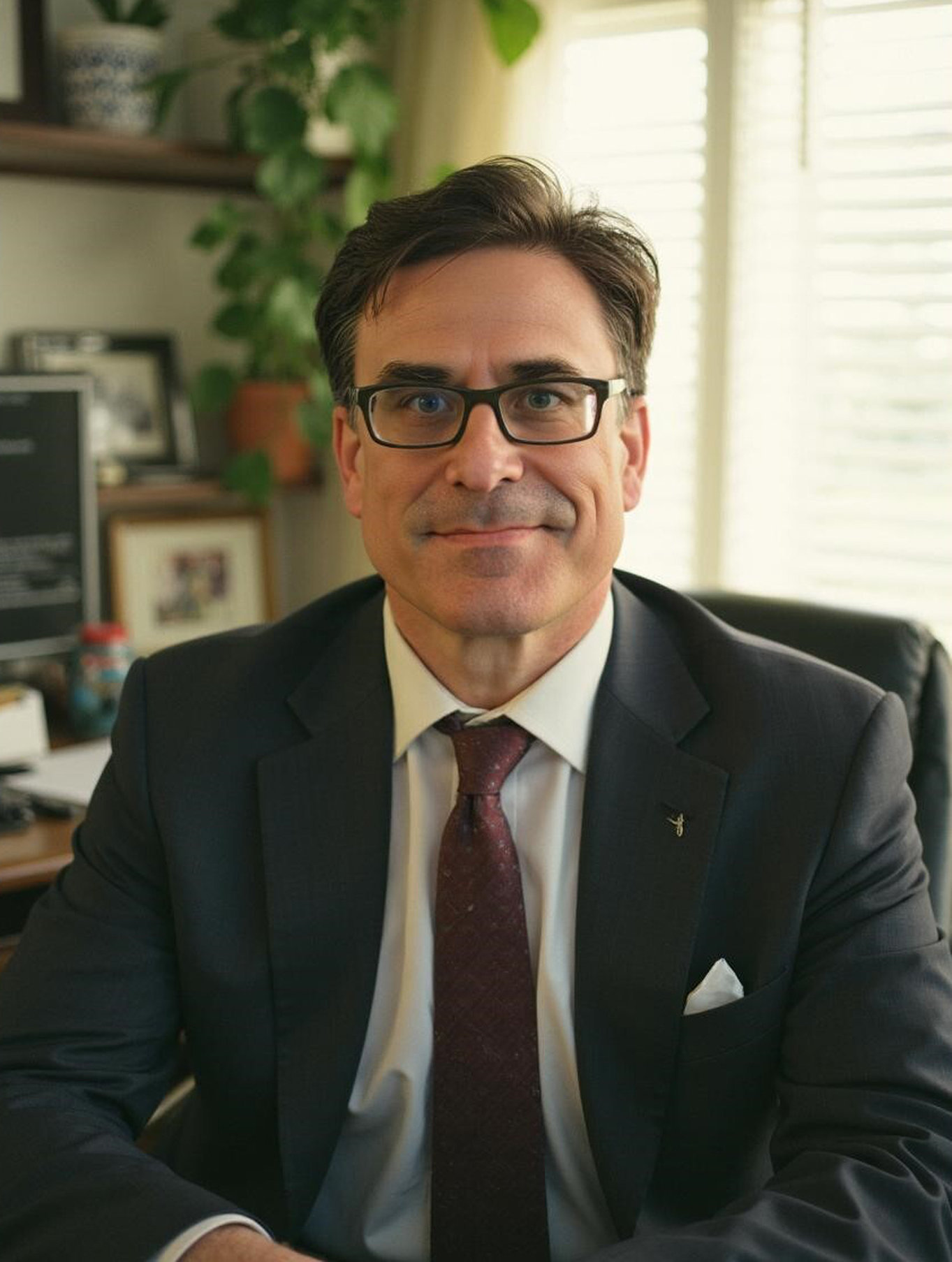
Bryan Angstman - Founder of Quick Thinking Formula

ROOTS & EARLY LIFE

I grew up in central Minnesota, in a small town of about 900 people.

We lived on a farm, and much of my early life was shaped by that environment—open space, responsibility, and a strong connection to the outdoors. My dad owned local restaurants and worked long hours, while my mom managed the bookkeeping for the business.

My sister and I had chores that were simply part of daily life. It wasn’t something we questioned—it was just what you did.

Outside of that, I spent as much time outdoors as I could. Fishing, hiking, canoeing, swimming, exploring the woods around our farm—those were the things I was naturally drawn to. I could spend hours outside, often walking with my dog, just enjoying the quiet.

At home, I had a strong foundation. My parents were supportive, and we were close as a family. There was always a sense of stability, which gave me something I didn’t fully recognize at the time: a deep sense of security, independence, and connection to the environment.

LEARNING TO THINK DIFFERENTLY

School wasn’t easy for me growing up. I struggled in ways I didn’t fully understand at the time. Dyslexia and learning differences weren’t diagnosed until I was in college, so for years I just felt like I was falling behind.

There was frustration, and at times, self-doubt. But things began to change in college. I learned to approach information differently—focusing on understanding concepts instead of processing everything word by word. That shift allowed things to click in a way they hadn’t before.

I went on to earn a Bachelor’s degree in Environmental Science and later a Master’s degree in Business, combining a technical understanding of environmental systems with a broader perspective on how to apply that knowledge in real-world settings.

More importantly, I came away with something deeper: an understanding that I naturally see patterns and systems differently—and that could be a strength.

FORMATIVE EXPERIENCES IN THE OUTDOORS

Some of the most defining experiences in my life came from time spent outdoors—especially working in Olympic National Park.

That experience pushed me to grow. It challenged me to think beyond my individual role and understand how everything fit together—how teams function, how decisions impact outcomes, and how to step into responsibility when it’s needed.

There were moments that stood out—assisting in rescues, climbing glaciers, working in demanding conditions—but what mattered most was the confidence it built. Not just physical confidence, but the ability to handle situations, think clearly under pressure, and trust myself.

It also gave me a deeper awareness of how fragile the human body can be—and how important it is to support one another.

PROFESSIONAL EXPERIENCE: SEEING WHAT OTHERS MISS

After college, I moved into environmental and air quality work, where my perspective began to sharpen even further.

I worked with NOVA Environmental Services, focusing on:

  • air quality assessments
  • hazardous material surveys
  • environmental exposure evaluations

Later, at the University of Minnesota, my work expanded into:

  • indoor air quality analysis
  • hazardous materials inspection
  • sick building syndrome investigations

This is where things became very clear. I saw firsthand how people could feel unwell in environments that looked completely normal. Homes, offices, buildings—nothing obvious on the surface. But something was affecting their health.

That experience shaped how I view health to this day: it’s not always one thing. It’s often the accumulation of many small factors over time.

FINDING MY DIRECTION

When I started my career, I wasn’t driven in the way I am today. I was uncertain, but curious. Over time, that began to change.

I was raised with a strong sense of service—to contribute and help others—and as I came into my own, that became a central part of who I am.

Around that same time, I met my wife. We connected quickly, got married within a year, and I made the move from Minnesota to California to build a life together. It marked the beginning of a new chapter—both personally and professionally.

WHEN IT BECAME PERSONAL

At a certain point, this work stopped being just professional.

I went through my own experience with severe allergies and brain fog. I was constantly nauseous, had little appetite, and struggled mentally in ways I had never experienced before.

The brain fog was intense. I would lose my train of thought mid-sentence. Simple tasks became difficult. It got to the point where my wife, Jannel, had me tested for early-onset Alzheimer’s and dementia. That’s how serious it felt.

THE TURNING POINT

The shift began when I identified gluten as a major sensitivity. Removing it made a noticeable difference. Then I removed dairy.

And gradually, things started improving. I was able to come off medications. My thinking became clearer. The brain fog lifted. That experience changed everything.

FROM EXPERIENCE TO UNDERSTANDING

Instead of moving on, I became more focused. I began tracking what I was doing—journaling patterns and responses.

And I realized: there was structure behind what was happening.

That led me deeper into understanding how:

  • environmental exposures affect the body
  • inflammation develops
  • and how modern conditions influence long-term health

I began connecting patterns across everything I had experienced. And I started to see that there was a way to help people beyond isolated solutions. A structured approach. One that could support the body while working alongside traditional care.

LIFE TODAY

Today, my life reflects that understanding.

My mornings start with meditation, yoga, and time to get centered. I spend my days creating, teaching, coaching, and working directly with people—helping them identify and reduce the factors affecting their health.

Outside of work, I stay active—biking, hiking, going to the gym, and spending time with my wife, friends, and our dogs. Living near the beach, the outdoors continues to be a grounding part of my life.

WHAT MATTERS MOST

One of the things I’m most proud of is simple.

When someone is struggling—especially when they’ve been dismissed—I can sit with them and listen.

You’re not crazy.
You’re not alone.
And what you’re experiencing is real.

PERSONAL PHILOSOPHY

A good life, to me, starts with feeling well—physically and mentally.

But I’ve learned that health takes intention. Our environment and lifestyle don’t always support it, which means we have to be proactive.

For me, that includes:

  • managing stress
  • maintaining physical health
  • and creating space to reset

Meditation and exercise have become essential—not optional.

A FINAL THOUGHT

I don’t see myself as someone who has everything figured out.

I’m someone who has struggled, learned, adapted, and continued to grow. Just like anyone else.

If there’s anything I hope you take from this, it’s that:

Change is possible.
And sometimes, it starts with understanding your body—and being heard.

Copyright @2026 by Bryan Angstman. All right reserved. View Privacy Policy